The Dawn of Truly Adaptive Machines: AGIBOT's GO-3 Preview and Full-Lifecycle Learning Revolutionize Embodied AI
In 2026, the landscape of Artificial Intelligence and Machine Learning is witnessing a profound shift, moving beyond digital dialogues and predictive analytics to embrace the complexities of the physical world. This transformative era, often dubbed the 'ChatGPT moment for robotics,' signifies a pivotal transition from AI as a mere assistant to AI as an autonomous, adaptive worker. At the forefront of this revolution is the emergence of advanced embodied AI, exemplified by AGIBOT's recent unveiling of its GO-3 Preview. This groundbreaking embodied foundation model introduces a paradigm of 'full-lifecycle learning,' promising to endow robots with unprecedented capabilities for general-purpose interaction and continuous self-improvement in real-world environments.
For years, the promise of robots that can seamlessly operate in unstructured human environments remained largely confined to research labs. While Large Language Models (LLMs) excelled at understanding and generating text, the challenge of transferring this cognitive prowess to physical action, perception, and real-time adaptation proved immense. The gap between simulated success and real-world robustness was significant, hindering the widespread deployment of truly intelligent machines. Now, however, breakthroughs in embodied AI are bridging this chasm, signaling a new chapter where machines don't just process information, but actively participate and learn from their physical surroundings.
The Evolution of Embodied AI: From Digital Minds to Physical Presence
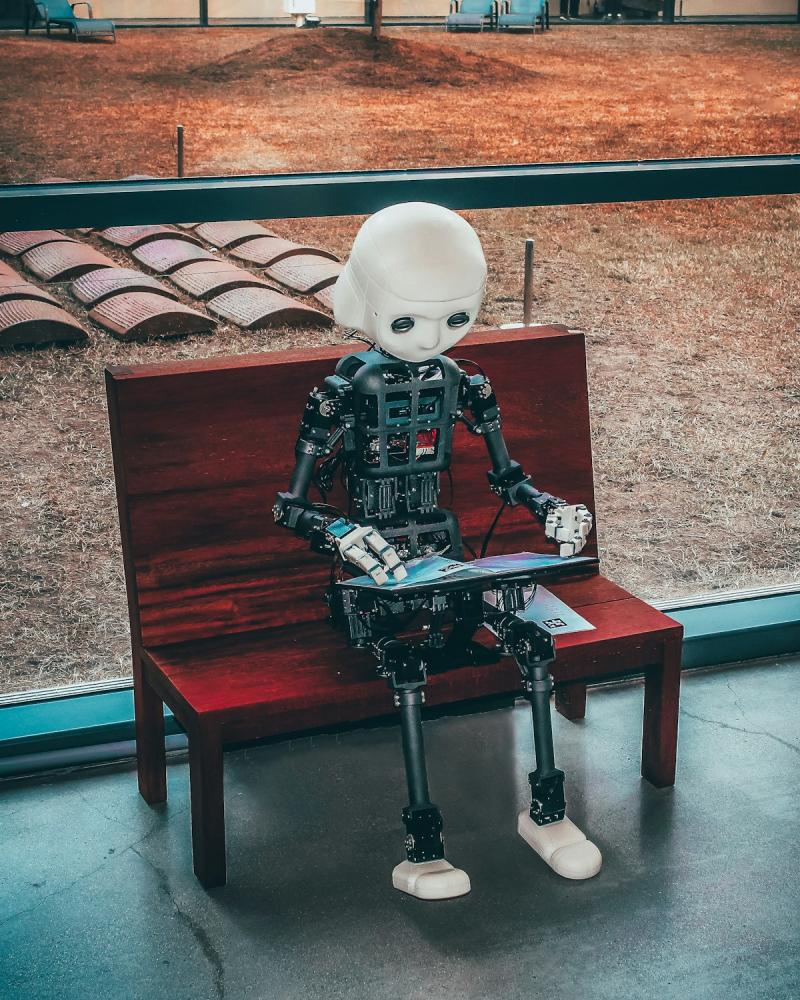
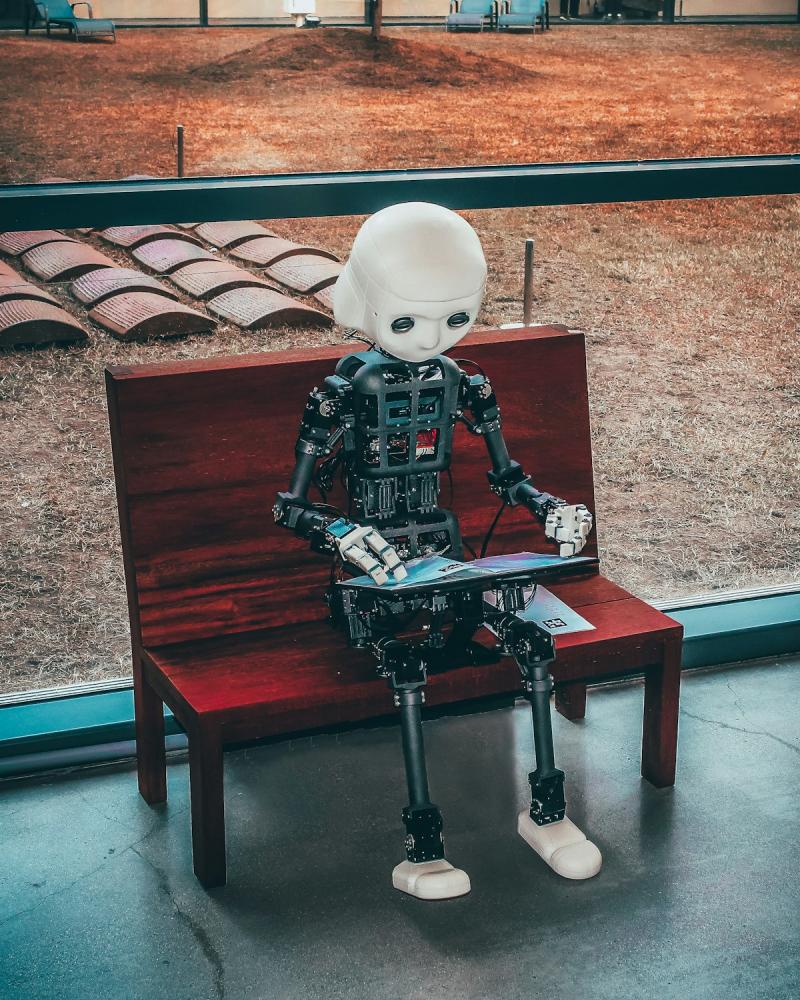
Embodied AI refers to artificial intelligence systems that are integrated into physical bodies, enabling them to perceive, reason about, and physically interact with the real world. Unlike conventional AI, which primarily operates in digital domains, embodied AI grapples with the inherent unpredictability and rich sensory input of physical existence. This includes challenges such as dexterous manipulation, navigation in dynamic environments, understanding complex visual and auditory cues, and crucially, adapting to unforeseen circumstances. The market for embodied AI has seen an explosion of interest and investment, reaching an estimated $4.44 billion in 2025 and projected to grow rapidly, with robotics companies raising billions in funding.
Early iterations of AI in robotics often relied on pre-programmed tasks or extensive, task-specific training data. While effective for repetitive, structured industrial applications, this approach lacked the flexibility required for general-purpose robots that could, for instance, assist in homes, navigate complex urban landscapes, or perform diverse tasks in a dynamic factory setting. The limitation was clear: these robots lacked genuine understanding and the ability to learn 'on the fly.'
The advent of multimodal AI has been a crucial precursor to the current embodied AI boom. Multimodal models, capable of processing and interpreting combinations of text, images, audio, and video simultaneously, have provided AI systems with a more holistic understanding of context, akin to human perception. This ability to integrate diverse sensory information is fundamental for embodied agents that need to see, hear, and understand their environment to act intelligently within it. Leading multimodal models like GPT-5.5, Gemini 3.1 Pro, and Claude Sonnet 4.6 have laid the groundwork for richer, more human-like interpretation of real-world data, directly impacting the capabilities of embodied systems.
AGIBOT's GO-3 Preview: A Leap in Full-Lifecycle Learning
On October 29, 2026, AGIBOT unveiled its GO-3 Preview, an embodied foundation model that represents a significant leap forward in equipping robots with general-purpose capabilities and continuous self-improvement. The core innovation lies in its comprehensive approach to learning, termed 'full-lifecycle learning,' which integrates pre-training, post-training, and post-deployment learning.
Traditionally, AI models, including many robotic systems, were trained on massive datasets (pre-training) and then fine-tuned for specific tasks (post-training). However, their ability to adapt and acquire new skills once deployed in unpredictable real-world scenarios was often limited. GO-3 Preview addresses this fundamental challenge by ensuring that learning doesn't stop once a robot leaves the lab. Instead, it continuously refines its understanding and capabilities through real-world experience, making it a truly adaptive agent.
- Pre-training: This initial phase involves training on vast datasets, including multimodal information (visual, auditory, tactile, proprioceptive data), to build a foundational understanding of physics, object properties, environmental dynamics, and common human tasks. This creates a robust base model that can then be specialized.
- Post-training: Here, the model is fine-tuned for specific categories of tasks or environments. This might involve more targeted datasets or supervised learning to enhance performance in particular domains, such as manufacturing assembly or logistics sorting. AGIBOT's Genie Evolver, a hybrid post-training system, plays a crucial role in this phase.
- Post-deployment Learning: This is where GO-3 Preview truly shines. Once deployed, the robot actively learns from its interactions, successes, and failures in real-time. This continuous learning from experience allows it to adapt to novel situations, acquire new skills through direct demonstration (rather than manual programming), and improve its performance over time. AGIBOT's Genie Master, an embodied agent framework, facilitates this crucial aspect of real-world adaptation.
This full-lifecycle learning approach is powered by AGIBOT's proprietary embodied-native architecture, WRAM (World Reasoning Action Model). WRAM is designed to unify task understanding, future-state prediction, and action generation. This means the robot doesn't just execute commands; it comprehends the task's objective, anticipates potential outcomes, and then generates precise physical movements to achieve its goal. This integrated reasoning is vital for performing complex manipulations and generalizing across a wide array of tasks.
The efficacy of GO-3 Preview has been validated through its top rankings on three major embodied AI benchmarks: RoboDojo, RoboTwin, and RoboColiseum. These benchmarks likely assess a robot's ability to perform dexterous tasks, interact with virtual and physical twins, and compete in complex environments, demonstrating its superior generalization and manipulation skills. Furthermore, AGIBOT's commitment to open-sourcing the model by the end of 2026 is expected to accelerate research and development across the entire embodied AI community.
Real-World Implications: Reshaping Industries and Daily Life
The implications of truly adaptive embodied AI, like that enabled by GO-3 Preview's full-lifecycle learning, are profound and far-reaching. It heralds a future where robots can move beyond narrow, predefined roles to become versatile, collaborative partners in various sectors.
Manufacturing and Logistics: Enhanced Flexibility and Automation
In manufacturing, robots equipped with full-lifecycle learning can adapt to changing product designs or production line reconfigurations without extensive reprogramming. They can learn new assembly tasks from human demonstration, identify and correct errors autonomously, and improve efficiency over time. In logistics, these robots can navigate dynamic warehouse environments, handle irregularly shaped packages, and optimize delivery routes by learning from real-time conditions. Companies like Amazon already utilize over a million warehouse robots, but the next generation promises even greater adaptability and autonomy.
Healthcare: Intelligent Assistants and Caregivers
Embodied AI could revolutionize healthcare by assisting with patient care, surgical procedures, and facility management. Robots capable of understanding complex medical environments and adapting to individual patient needs could perform tasks like delivering medication, assisting with rehabilitation exercises, or even performing delicate surgical maneuvers with enhanced precision and continuous learning from each operation. Imagine a robotic assistant that observes a patient's progress and autonomously adjusts its support based on the patient's real-time physical responses.
Autonomous Systems: Beyond the Driverless Car
While autonomous vehicles are a prominent application of embodied AI, full-lifecycle learning extends this concept to other complex autonomous systems. This includes drones for infrastructure inspection that can learn to navigate novel obstacles, agricultural robots that adapt to varied terrain and crop conditions, and even domestic robots that can learn household tasks and adapt to the unique layout of a home. NVIDIA's Alpamayo, a vision-language-action model for autonomous driving, demonstrates the push towards more intelligent, reasoning-based autonomous systems.
The Shift from Tool to Partner: Human-AI Collaboration
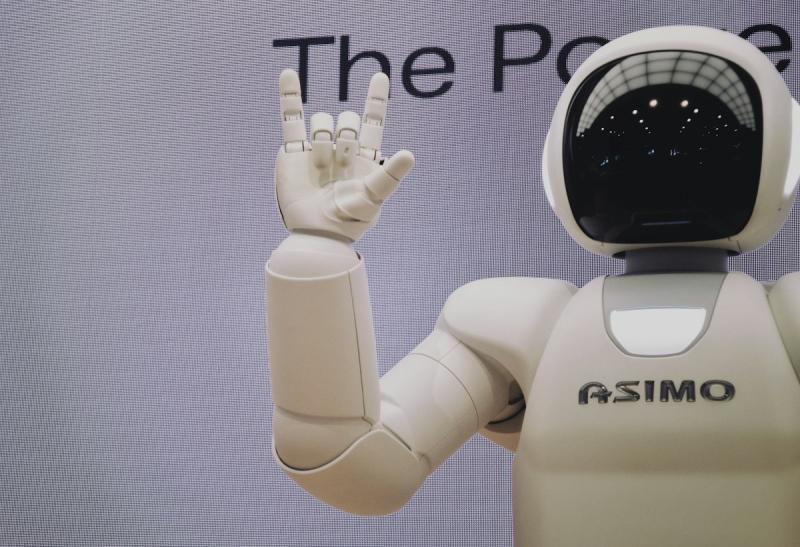
This new generation of embodied AI represents a shift from AI as a mere tool to AI as an active partner. Rather than simply executing instructions, these robots can anticipate needs, offer solutions, and even learn alongside their human counterparts. This collaborative paradigm amplifies human capabilities, allowing individuals and teams to tackle larger, more complex challenges by delegating repetitive or physically demanding tasks to intelligent, adaptable machines. As one expert noted, the future is not about replacing humans, but about amplifying them.
Challenges and the Path Forward
Despite these significant advancements, the widespread deployment of fully autonomous, adaptive embodied AI still faces hurdles. One major challenge is the inherent gap between lab-tested performance and real-world reliability. Policies that perform with 95% accuracy in a controlled lab environment might drop to 60% in the unpredictable real world.
- Data Quality and Scale: Training embodied foundation models requires vast amounts of high-quality, diverse, and multimodal data that accurately reflects the physical world. This includes physics-accurate 3D assets for simulation and diverse real-world interaction data.
- Computational Resources: Full-lifecycle learning, especially continuous adaptation in deployment, demands significant computational power, both for training and on-device inference.
- Safety and Robustness: Ensuring that robots operate safely and robustly in human environments, especially when learning and adapting, is paramount. This involves rigorous testing, fail-safe mechanisms, and advanced anomaly detection.
- Ethical Considerations: As robots become more autonomous and integrated into daily life, ethical considerations around decision-making, accountability, privacy, and potential societal impact become increasingly important.
- Hardware Limitations: Current robotics hardware still faces limitations, such as battery life for humanoid robots (often around 90 minutes) and the cost of advanced manipulators and sensors.
The roadmap for embodied AI involves continued research into more efficient architectures, advanced simulation environments, and robust mechanisms for human-robot interaction and oversight. Initiatives like NVIDIA Isaac Lab are providing critical simulation infrastructure for training. The focus is not just on building smarter robots, but on building trustworthy, transparent, and interpretable systems that can explain their decisions and actions.
Conclusion: A New Era of Physical Intelligence
AGIBOT's GO-3 Preview, with its innovative full-lifecycle learning approach, represents a watershed moment in embodied AI. By enabling robots to continuously learn and adapt from pre-training through real-world deployment, it pushes the boundaries of what physically intelligent machines can achieve. This breakthrough moves us closer to a future where robots are not just tools, but intelligent, adaptable partners capable of performing complex tasks in unpredictable environments, transforming industries, and enriching human lives. The journey is ongoing, marked by both immense promise and significant challenges, but 2026 stands as a testament to the accelerating pace of innovation in bringing AI into the physical world. The era of truly adaptive machines has indeed begun.
For further exploration of advancements in AI and robotics, visit NVIDIA or Google DeepMind.